Why Vehicle Ignitions Fail — and What It Actually Means for Your Car
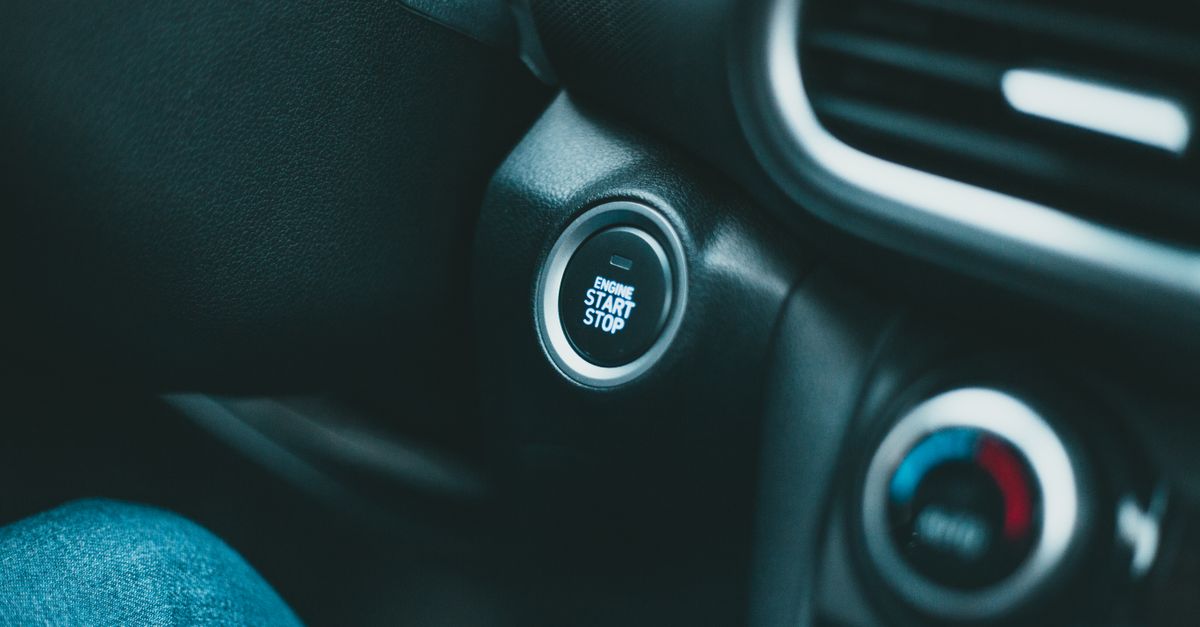
The ignition system in a modern vehicle is more than a simple on-off switch. It includes the ignition lock cylinder (the physical keyhole assembly), the ignition switch (the electrical component behind it), the tumbler wafers or pins inside the cylinder, and, in many newer vehicles, a transponder or immobilizer circuit that must communicate with the car's ECU before the engine will start. When any one of these components degrades or fails, you may experience symptoms that feel identical on the surface: a key that turns with difficulty, a key that spins freely without engaging, no crank at all, or a situation where the key simply will not insert or extract. Diagnosing which layer of the system has actually failed is the first and most critical step — and it's one that requires hands-on experience with a wide range of makes and models, not a guessing approach.
Wear is the most common culprit. Every time a key enters the cylinder, the wafers inside rub slightly against the key's cuts. Over years of daily use, those wafers round off, the key's ridges flatten, or small fragments of metal debris lodge in the cylinder — particularly in older vehicles or in cars exposed to Toronto's road salt and freeze-thaw cycles. Forced entry attempts, accidental bending of a key inside the cylinder, or using a copied key cut on a worn blank can accelerate this deterioration dramatically. In some cases the cylinder itself is structurally intact but the ignition switch behind it has burned out electrically, meaning no amount of locksmith work on the cylinder will restore function without also addressing the switch. Our technicians evaluate both components before recommending a course of action.