How Access Control & Keypad Entry Hardware Actually Works on a Commercial Door
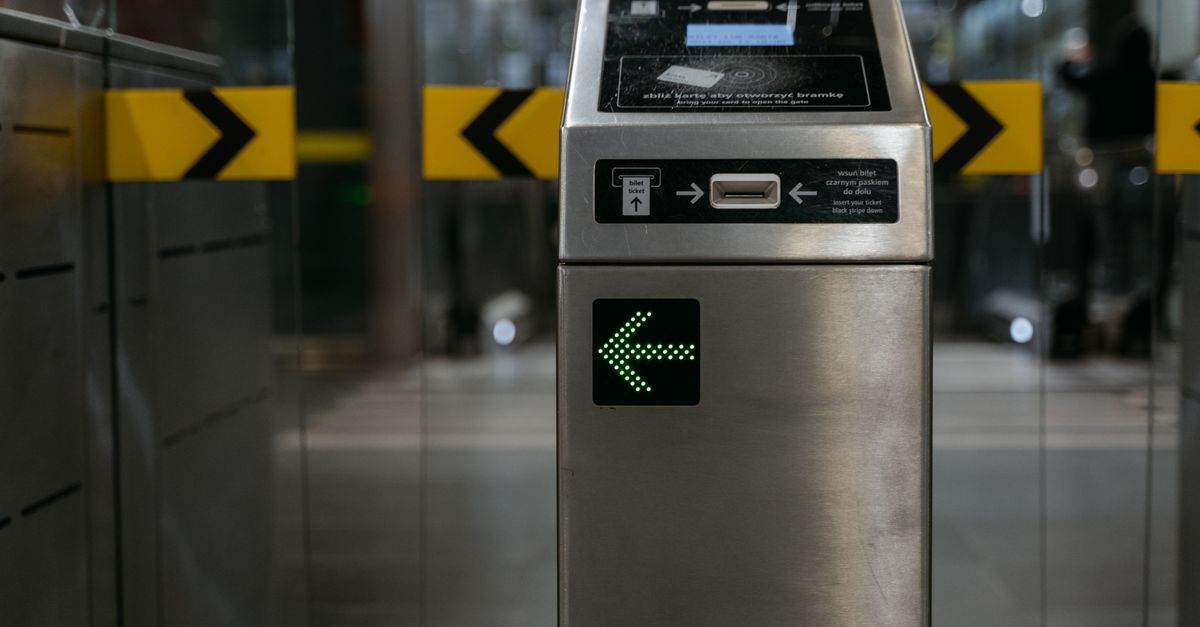
At the core of any electronic entry setup is the credential reader — a keypad, card reader, fob reader, or biometric scanner — paired with an electric or electromechanical locking device. On most commercial doors, that locking device is a mortise lock body recessed into the door edge. An access control mortise lock integrates a motor or solenoid directly into the mortise chassis, so a valid credential triggers the hardware to retract the latch or deadbolt electronically, without anyone touching a physical key. This approach keeps the door mechanically secure against forced entry between authorized access events, which is a meaningful upgrade over surface-mounted electric strikes that only secure the frame side of the door.
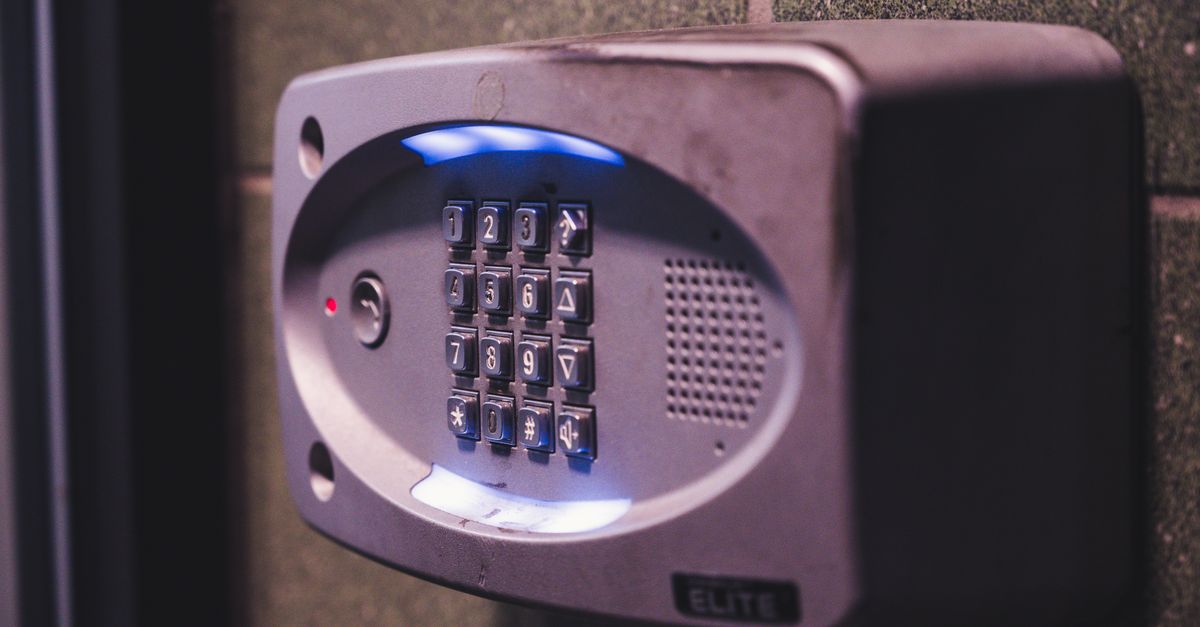
Keypad entry lever door lock sets — units where the keypad and lever handle are combined in a single trim piece — are a popular choice for interior office doors, server rooms, and retail stock areas because installation is straightforward and no external wiring conduit is visible. For higher-traffic exterior doors, standalone readers wired to a separate mortise lock body or magnetic lock give you more flexibility: you can upgrade the reader technology (say, switching from PIN-only to fob plus PIN) without replacing the entire door hardware assembly. Our commercial locksmith team carries both integrated and modular configurations and will walk you through the tradeoffs based on your door frame type, foot traffic volume, and how you want to manage credentials day to day.