Tumbler Tech Locksmith Toronto Service Team
Local locksmith team
Sep 16, 2026 11 min read
If your Toronto home was built before 1960 — think a Victorian semi in Cabbagetown, a red-brick Edwardian in Roncesvalles, or a wartime bungalow in East York — there is a good chance your front door holds a piece of hardware history inside it. Mortise locks were the industry standard for most of the 20th century, and thousands of them are still doing quiet, faithful work in doorframes across the city. The trouble is that most homeowners have no idea what they have, what it costs to service, or when it makes sense to repair versus replace.
This guide is written for homeowners who want a straight answer. We will explain what a mortise lock actually is, how it differs from the cylindrical (bored) locks you find in most modern doors, how to identify the type sitting in your door right now, and how to decide whether a repair call or a full replacement is the smarter move. Where it makes sense, we will also flag when to call a professional locksmith rather than guessing — because getting this wrong can mean a compromised door or a very expensive fix.
## What Is a Mortise Lock, and Why Do Toronto's Older Homes Have Them?
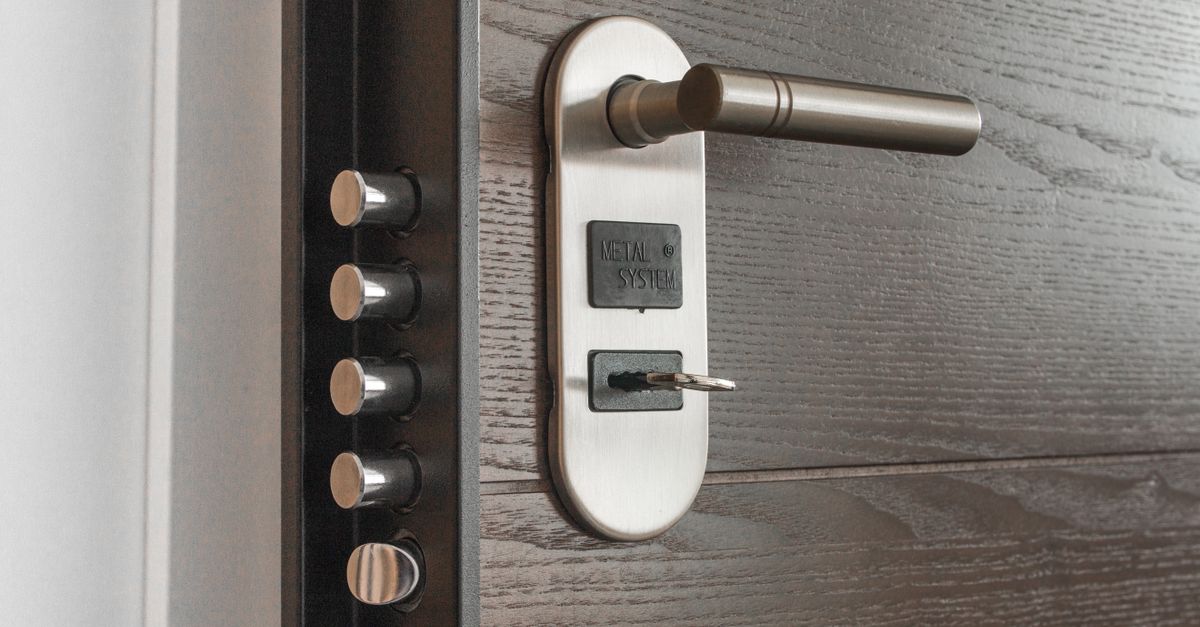
A mortise lock is a lock mechanism that sits inside a deep rectangular pocket — called a mortise — cut into the edge of a door. Unlike a cylindrical lock, which threads through a round hole drilled in the door face, a mortise lock set is a self-contained unit: latch, deadbolt, and sometimes an auxiliary bolt all live inside one steel case. The keyhole on the outside and the thumbturn on the inside operate the bolt directly. This all-in-one design is what made it the go-to choice for builders from roughly 1880 through the 1960s, and it explains why you will find them in nearly every pre-war neighbourhood from the Annex to Leslieville.
Toronto's century homes were built to last, and so were their locks. Brands like Corbin Russwin mortise locks and Baldwin mortise locks were specified on higher-end builds because of their robust steel cases and replaceable cylinders. That replaceability is actually one of the mortise lock's biggest advantages: when the cylinder wears out, a skilled locksmith can swap just that component without touching the rest of the mechanism. The door jamb, the strike plate, and the mortise pocket itself can all stay exactly as they are.
## Mortise Lock vs. Cylindrical Lock: Spotting the Difference in 30 Seconds
Stand at your front door and look at the edge of the door — the narrow strip of wood facing the door frame. If you see a large rectangular faceplate (usually two to four inches tall) with both a latch bolt and a separate deadbolt poking through it, you almost certainly have a mortise lock set on an exterior door. Cylindrical locks, by contrast, show only a small round faceplate with a single latch, and the deadbolt (if there is one) is a completely separate unit mounted above or below. Another quick tell: mortise locks typically have a traditional keyhole-shaped opening on the escutcheon plate, while cylindrical locks use a round pin-tumbler slot. On interior doors, a mortise lock often has no cylinder at all — just a privacy button or simple thumb-turn on both sides.
Cylindrical locks, sometimes called bored locks or passage locks, are what you find in most homes built after 1970. They are faster to install (the hardware attaches to two round holes rather than a routed pocket) and the parts are widely available off the shelf. They are also, generally speaking, less robust under sustained physical stress. A well-maintained mortise lock in a solid wood door is genuinely harder to kick in because the locking mechanism is surrounded by wood on all sides, not sitting in a thin cylinder that can be sheared. That structural advantage is one reason many homeowners in older Toronto neighbourhoods choose to keep — and service — their original hardware rather than converting to a modern cylindrical setup.
## Repair or Replace? A Practical Decision Guide for Your Mortise Lock
The most common mortise lock problems homeowners call us about are: a key that turns but the bolt does not fully extend, a latch that sticks or will not retract, a cylinder that has become loose in its housing, and — after a break-in attempt or decades of use — a case that is cracked or has a stripped screw housing. The good news is that most of these issues are repairable without replacing the entire lock body. A worn mortise lock cylinder, for example, can be rekeyed or swapped out independently. A stiff latch is usually a lubrication and alignment issue. Loose trim plates and wobbly knobs are often just loose set screws. If the steel case itself is intact and the door edge has not been compromised, a professional locksmith service call is almost always the more cost-effective path. If you are dealing with a door knob lock that spins freely or a latch that has been forcibly retracted, an in-person assessment will tell you whether the internal cam is salvageable.
Replacement makes the most sense in three scenarios: the internal mechanism is cracked or has missing parts that are no longer manufactured (rare but possible with very early 20th-century hardware), you are upgrading to a smart mortise lock that integrates keypad or app-based entry while keeping the door profile intact, or you are renovating and want period-appropriate new hardware throughout. When replacement is warranted, it is worth knowing that mortise lock set options for exterior doors have expanded significantly — you can get modern security ratings in a mortise-format body that drops into the existing pocket with minimal carpentry. The factors that shape the final price of any service call include the lock brand and model, whether parts need to be sourced, the time of day, and travel distance to your address. At Tumbler Tech Locksmith Toronto, we confirm an exact up-front price before any work begins — no surprises when the job is done. If you are unsure which scenario applies to your door, call 647-492-9195 and describe what you are seeing; our team can often narrow it down over the phone before we even arrive.
## Emergency Locksmith Situations: When a Mortise Lock Becomes an Urgent Problem
A failed mortise lock on a Toronto winter night is a genuine emergency. Because these locks are integrated into the door structure, a snapped key inside the cylinder or a seized bolt cannot be worked around with a spare key — the cylinder itself is blocked. The same goes for a door knob lock where the inner mechanism has failed and the door will not open from either side. These are the calls our emergency locksmith team handles around the clock, and the approach is always the same: identify the specific failure point, use the least invasive method to restore access, and assess whether the hardware can be saved. We do not default to drilling unless the mechanism is genuinely unserviceable — a good locksmith's goal is to leave your door more secure after the call than it was before.
Homeowners sometimes ask whether they should try to force the lock themselves in a lockout. Our honest advice: check every other door and window first, look for a spare key with a trusted neighbour, and call a professional if none of those options work. Attempting to force a mortise lock without knowing the internal mechanism can split the door edge or damage the steel case in ways that make the eventual repair significantly more complex and expensive. Toronto's older doors — especially those with original wood frames — are also more susceptible to frame damage than their modern counterparts. Let a trained locksmith handle it.
## Commercial Locksmith Considerations and Modern Upgrades for Mortise Hardware
Mortise locks are not just a residential story. Many of Toronto's commercial buildings — storefronts along Danforth Avenue, office conversions in Kensington Market, mixed-use Victorian buildings throughout the downtown core — rely on commercial locksmith services specifically because their doors were built around mortise hardware. Commercial-grade mortise bodies meet higher cycle-count ratings and are designed for the kind of daily traffic a residential door never sees. Corbin Russwin mortise locks, for instance, have long been a standard specification in institutional and commercial settings precisely because the internal components can be rebuilt without replacing the entire unit.
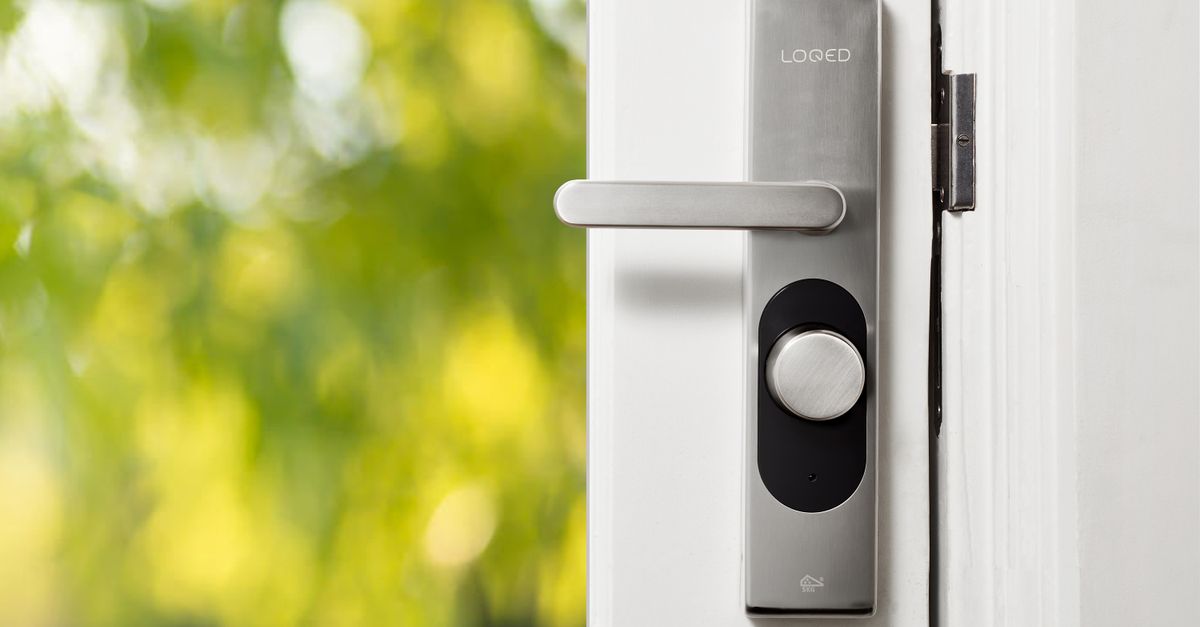
On the upgrade side, smart mortise lock options have matured considerably. Several manufacturers now produce mortise-format smart locks that retain the rectangular faceplate and bolt configuration of a traditional unit while adding keypad entry, Bluetooth or Z-Wave connectivity, and audit-trail logging. This is particularly useful for small landlords managing multiple units in older Toronto duplexes and triplexes — you can rekey or change access codes remotely without a locksmith visit every time a tenant changes. If you are considering this kind of upgrade, a qualified locksmith can measure your existing mortise pocket and recommend compatible hardware that will drop in cleanly. Our team at Tumbler Tech Locksmith Toronto handles both residential and commercial mortise lock service across the Toronto area. Whether you need a single cylinder rekeyed or a full building master-key system designed, we are available 24 hours a day, seven days a week — call 647-492-9195 to talk through your options.
Frequently asked questions
How do I know if my old Toronto door has a mortise lock or a regular deadbolt?+
Look at the edge of the door — the narrow strip of wood facing the frame. A mortise lock set has a large rectangular faceplate, often two to four inches tall, with both a latch and a deadbolt bolt coming through the same plate. A standard deadbolt is a separate unit mounted above a round-hole cylindrical latch and has its own smaller round faceplate. You can also check the face of the door: a traditional keyhole-shaped escutcheon (the decorative plate around the keyhole) almost always signals a mortise mechanism beneath it. If you are still not sure, a quick photo sent to a locksmith can usually confirm it before you book a call.
Can a mortise lock be rekeyed the same way as a regular door knob lock?+
Yes, but the process is different. In a cylindrical lock, the cylinder is removed through the door face. In a mortise lock, the cylinder (called the mortise lock cylinder) is threaded into the lock body from the outside and secured by a set screw on the edge of the door. A trained locksmith removes it by loosening that screw and turning the cylinder out, then rekeying or replacing it on the bench. The internal lock body does not need to be touched at all, which is one of the reasons mortise locks are so practical to service. Rekeying is especially worth doing after buying an older home, since there is rarely any way to know how many copies of the original key are still in circulation.
What factors affect the price of a mortise lock repair or replacement in Toronto?+
Several things shape the final quote: the specific lock brand and model (a Baldwin mortise lock or Corbin Russwin mortise lock may require sourced parts, while more common models are stocked on our van), whether the job is a cylinder swap, a full mechanism rebuild, or a complete replacement, the time of day the call comes in, and the travel distance to your address. If any carpentry is needed to resize an existing mortise pocket for new hardware, that adds complexity as well. At Tumbler Tech Locksmith Toronto, we give you an exact up-front price before any work begins — you know the full cost before we pick up a tool.
Is it worth converting an old mortise lock to a modern cylindrical lock, or should I keep the original?+
In most cases, keeping and servicing the original mortise lock is the better choice for older Toronto homes. Converting to a cylindrical lock requires routing a new round hole in the door face, plugging the existing mortise pocket, and often cutting a new strike plate recess — all of which affects a door that may be 80 to 100 years old and difficult to match if something goes wrong. Mortise-format hardware also offers genuine structural security advantages in a solid wood door. The exception is if the original lock body is cracked or missing parts, or if you want smart lock features and prefer a modern cylindrical smart lock aesthetic. A professional locksmith can assess your specific door and give you an honest recommendation based on what is actually there, not a one-size-fits-all answer.